
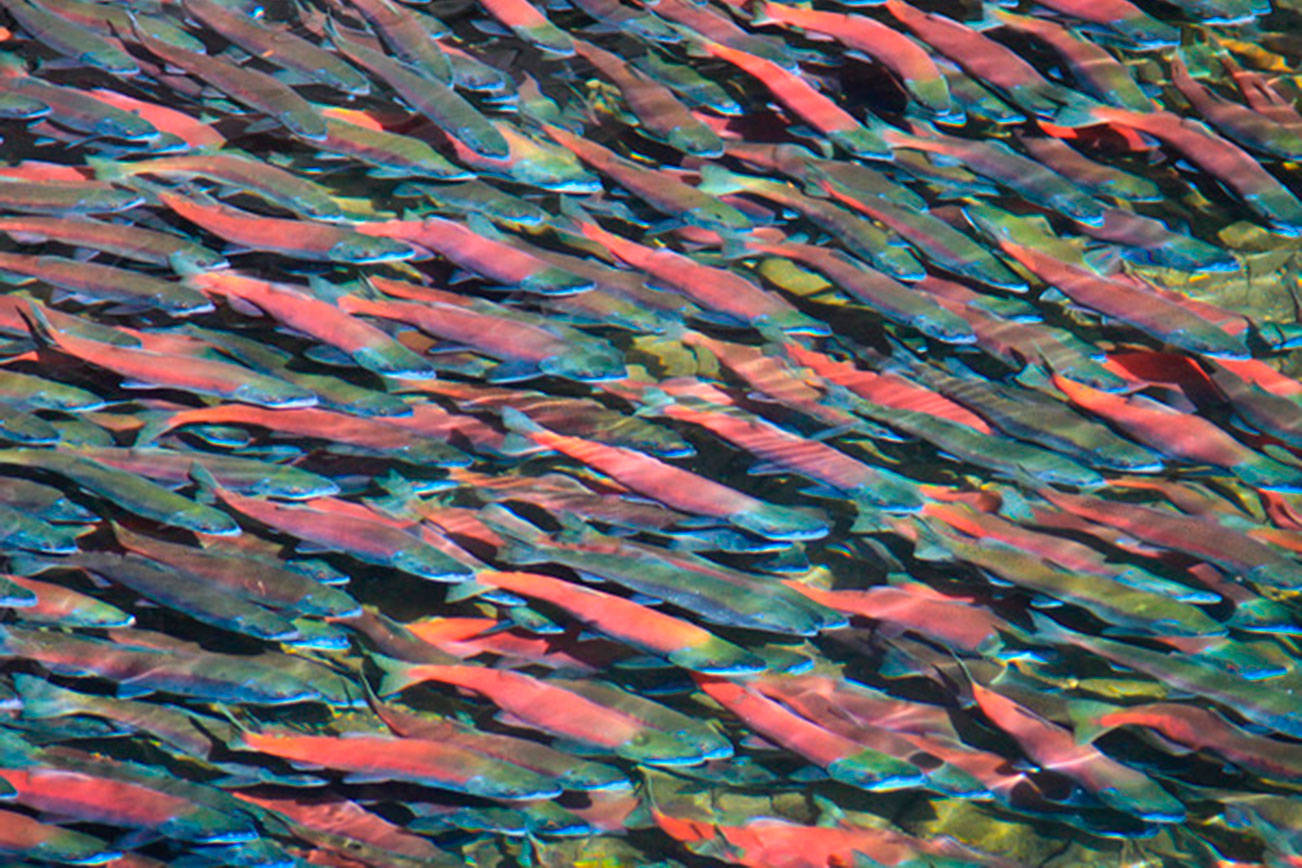
Frustrated with the lack of progress in salmon recovery – especially Puget Sound chinook – treaty tribes in Western Washington have proposed seven bold actions to jump-start those efforts. Puget Sound chinook were listed under the Endangered Species Act in 1999 but continue to hover at about 10 percent of their historical population.
We are calling on the Leadership Council of the Puget Sound Partnership – the state agency created in 2007 to serve as the regional salmon recovery organization for Puget Sound – to adopt these actions when it meets this month. The Partnership’s Salmon Recovery Council already has approved the actions. Tribal, state and federal governments, industry and environmental groups are all represented through the leadership and salmon recovery councils.
The actions include:
• Protect all remaining salmon habitat through land-use policy changes that can provide a net gain in ecosystem function and habitat productivity. As part of this effort, create a region-wide accountability system that is comprehensive, accessible and transparent.
• Establish and enforce water quantity and quality standards that protect, conserve and restore water resources for salmon.
• Improve management of predation and other mortality factors preventing salmon recovery.
• Emphasize funding and implementation of science and monitoring actions to support Puget Sound salmon recovery.
• Develop a strategy that uses funding from sources other than state, tribal and federal governments to provide 50 to 100 times more than current funding for salmon protection and restoration.
• Develop and implement a climate change mitigation and adaptation strategy for salmon recovery.
• Develop integrated plans for oil spill planning, prevention and response.
We ran out of easy answers for salmon recovery in Puget Sound a long time ago.
We have reduced harvest dramatically. Treaty tribes in Western Washington have cut their harvest by more than 80 percent over the past few decades. Non-Indian sport and commercial fisheries have undergone similar reductions.
We have built hatcheries to help restore naturally spawning salmon stocks and provide fish for harvest. Today, more than half of the salmon we all harvest come from hatcheries.
What we haven’t done is stop the loss and damage of salmon habitat that is driving the decline of salmon populations.
If we are to succeed, we must make some bold, meaningful changes. What we are doing now isn’t working.
We are not called to do the least we can to recover salmon. We are called to do all we can. Failing to take bold action on salmon recovery is what got us exactly where we are today.
Lorraine Loomis is chair of the Northwest Indian Fisheries Commission (nwifc.org).
Talk to us
Please share your story tips by emailing editor@kentreporter.com.
To share your opinion for publication, submit a letter through our website https://www.kentreporter.com/submit-letter/. Include your name, address and daytime phone number. (We’ll only publish your name and hometown.) Please keep letters to 300 words or less.
