
“The spirit of cooperation must guide us. It is how we will be able to bring back the salmon.”
These words from our late leader Billy Frank Jr. become more important every day. Even though we’ve all done a lot to recover salmon, we need to work harder – together – and do more.
We need a common agenda based on what we know is necessary to recover salmon. We must challenge the status quo and bring together leaders in policy, science and politics to re-create a cooperative environment.
Those were the themes of the inaugural Billy Frank Jr. Pacific Salmon Summit held in late March. Hundreds gathered for a day of talks to inspire, enlighten and ignite cooperative efforts to restore salmon and their ecosystems.
The summit was one of two recent events that urged greater cooperation by tribal, state, federal and local governments, resource users, environmental groups, and others to achieve salmon recovery. Together they have given me renewed hope for the future of salmon.
Bill Wilkerson, former director of the Washington Department of Fisheries reminded us that we have been here before. He recalled a time in the early 1980s, not long after the U.S. Supreme Court upheld the Boldt decision that re-affirmed tribal treaty rights, when state and tribal officials were having trouble working together to manage the resource. There was much distrust, Wilkerson said, and the salmon resource was suffering. He credited Billy with helping to overcome that distrust, and fostering cooperation.
Over time, that spirit of cooperation has faded. Today, our salmon resource is at a critical juncture. Our collapsing fisheries are mirroring a collapsing ecosystem.
To that end, a call to action was made at the summit to convene work sessions to explore what’s working and what’s not, determine pathways forward, and generate new approaches to longstanding problems.
Meanwhile, we must continue our focus on what salmon need, by:
• Protecting and restoring the functions of floodplains and deltas that help support important streamside habitat. That includes repairing, replacing or removing structures such as dams, levees and failing culverts.
• Protecting and restoring important nearshore habitat from 200 feet above the high tide line to 100 feet below the low tide.
• Providing cool, clean and plentiful water to support productive salmon runs. This includes reducing toxics in polluted stormwater runoff and maintaining protective water quality standards.
• Increasing hatchery production until naturally spawning stocks can again become self-sustaining.
The other event that boosted my hopes for salmon recovery was a public information session for sport fishermen held during the recent North of Falcon salmon season negotiations. The relationship between treaty tribal and non-Indian fishermen has been tense in recent years. The ongoing decline of the salmon resource has frustrated all of us with steadily decreasing harvest opportunities.
But instead of pointing fingers, sport anglers and tribal and state fisheries managers focused their discussion on areas of common ground and shared pain.
We agreed that the real culprits are not fishermen or their harvest methods, but the ongoing loss of salmon habitat, an overpopulation of seals and sea lions, and the declining availability of food for southern resident killer whales.
“The time for fighting over allocation is over,” said Tom Nelson, co-host of the Seattle radio show The Outdoor Line, told Northwest Sportsman magazine. “It’s time to focus on habitat. It’s time to fight the people and the animals that are killing more fish than we are.”
We couldn’t agree more and we want to continue the conversation. We know what we need to do – we just need to organize our commitment to do it.
Just like state and tribal officials did in the early 1980s, we need to set aside our differences and work toward collaborative solutions.
There has been talk of creating a coalition to address our shared challenges. Billy would like that idea.
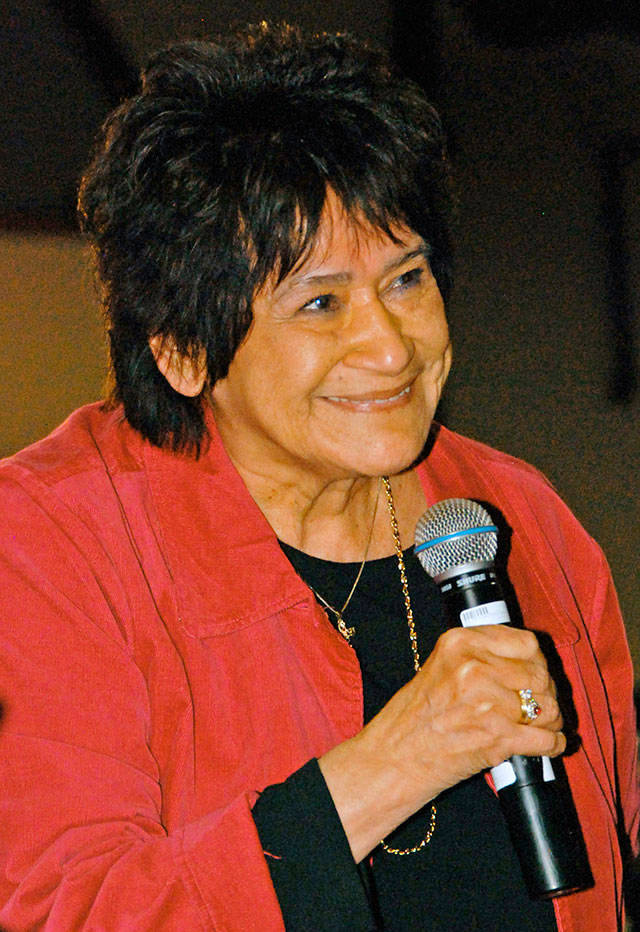
Lorraine Loomis is chair of the Northwest Indian Fisheries Commission.
Talk to us
Please share your story tips by emailing editor@kentreporter.com.
To share your opinion for publication, submit a letter through our website https://www.kentreporter.com/submit-letter/. Include your name, address and daytime phone number. (We’ll only publish your name and hometown.) Please keep letters to 300 words or less.
