
Sometimes being first isn’t good.
Such is the case with legislation making Washington the only state to ban natural gas in new homes and commercial buildings.
Thankfully, the legislators ended their session in Olympia and left that bad idea on the table. However, it is destined to come back next year.
The issue is complicated and expensive. Earlier this year, Gov. Jay Inslee unveiled it as part of a package to reduce greenhouse gas emissions. It included a phase-out of natural gas for space and water heating by forbidding the use of fossil fuels for heating and hot water in new buildings by 2030.
The ban trickled down from Seattle. Last month, the city adopted a partial gas ban with an update to its building code that said all new commercial and multifamily buildings four stories or taller must use electricity for heating. Among the questions not answered is whether this applies to new construction in smaller buildings and in houses, although it didn’t restrict the use of gas for cooking.
The natural gas ban was initiated by Berkeley city leaders in 2019. The idea spread to other California cities and more recently to Seattle. But opponents also were at work, and they helped to pass laws in four states — Arizona, Louisiana, Oklahoma and Tennessee — that restrict the ability of cities to ban gas hookups, according to Inside Climate News.
Switching from natural gas to electricity is complicated and will impact everyone. Natural gas dependency is widespread.
With reference to Washington, State Rep. Mary Dye (R-Pomroy) told KIRO’s Dori Monson: “It’s a big industry because it provides warmth for about 1.2 million residences, there’s 107,000 commercial buildings and 3,500 industrial buildings that are working under clean, efficient, reliable natural gas. Plus, it fires about 11 percent of our electricity grid. So you’re talking a very large labor force.”
For example, one-third of Clark Public Utilities electricity is generated at the River Road natural gas-fired generating plant. Clark PUD provides power to more than 203,000 customers in Vancouver and throughout Clark County.
Puget Sound Energy is our state’s largest energy utility, providing electric power to more than one million customers. PSE also generates one-third of its electricity at nine natural gas-fired power plants.
Nationally, natural gas produced the most electricity in 2020 — more than 40 percent. Renewables, including hydro, wind and solar, accounted for 20 percent.
At present, electricity is affordable in Washington. But adding new generating capacity is expensive and will drive power rates higher.
In 2019, Washington had the fourth-lowest average electricity retail prices in the nation, while 56 percent of the state’s households used electricity as their primary home heating fuel. Getting to total electricity dependency is difficult, especially if the lower Snake River dams are breached.
While natural gas electrical generation is important, natural gas availability is vital to some smaller communities. For example, the cities of Enumclaw and Ellensburg are the natural gas providers to nearly 9,000 customers.
Renewable natural gas (RNG) from farms, garbage landfills and waste conversion systems feed gas into the current pipeline system. That gas would otherwise dissipate in the atmosphere.
Finally, switching to cleaner burning natural gas has improved our air quality. The U.S. Environmental Protection Agency (EPA) released its new Inventory of U.S. Greenhouse Gas Emissions and Sinks. It shows that annual greenhouse gas emissions (GHG) from the natural gas distribution system declined 69 percent from 1990 to 2019. During this same period, natural gas utility companies added more than 788,000 miles of pipeline to serve 21 million more customers.
Thankfully, Washington state lawmakers acted wisely and set the issue aside. There is just too much at stake to act hastily.
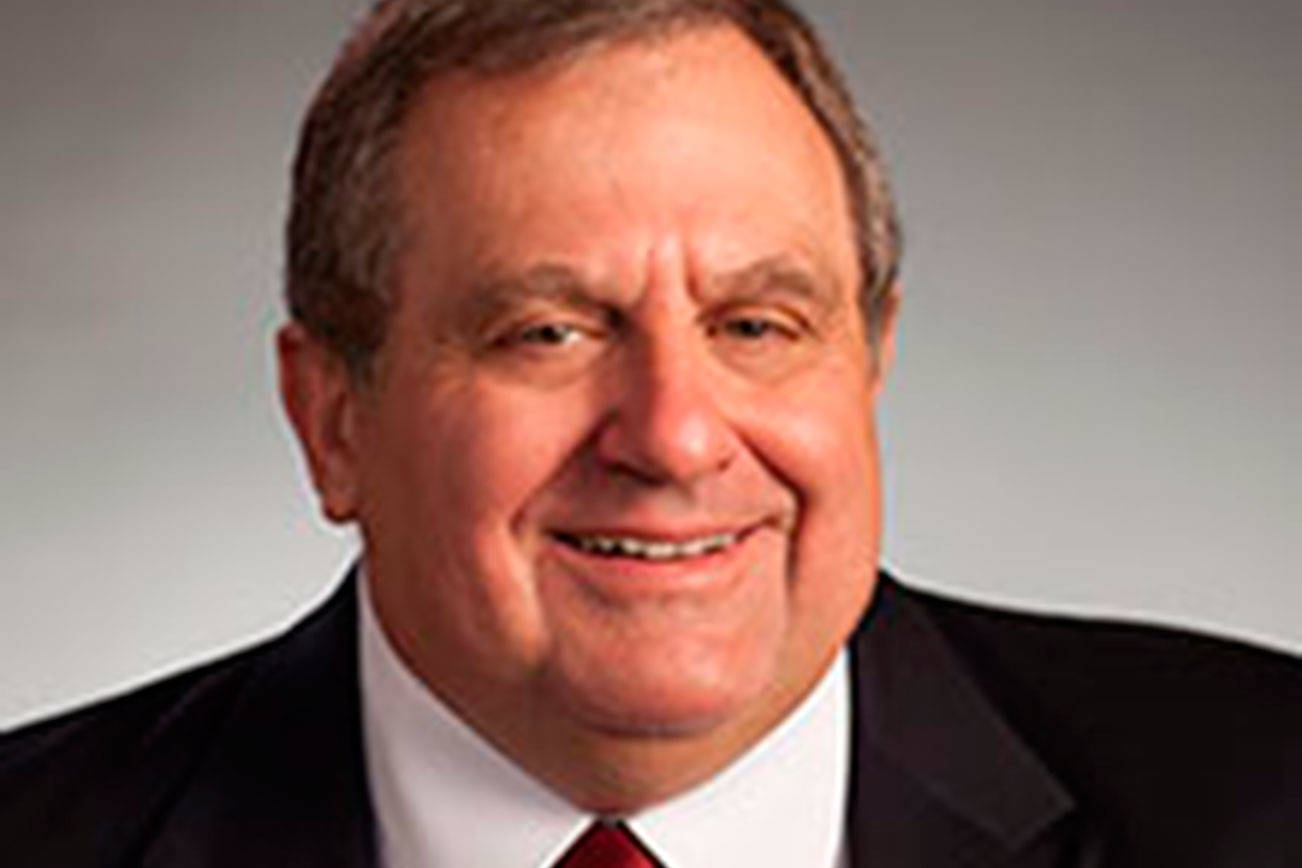
Don C. Brunell is a business analyst, writer and columnist. He recently retired as president of the Association of Washington Business, the state’s oldest and largest business organization, and now lives in Vancouver. He can be contacted at thebrunells@msn.com.
Talk to us
Please share your story tips by emailing editor@kentreporter.com.
To share your opinion for publication, submit a letter through our website https://www.kentreporter.com/submit-letter/. Include your name, address and daytime phone number. (We’ll only publish your name and hometown.) Please keep letters to 300 words or less.
