City of Kent strikes out on most state funding requests
Published 1:07 pm Friday, April 24, 2026
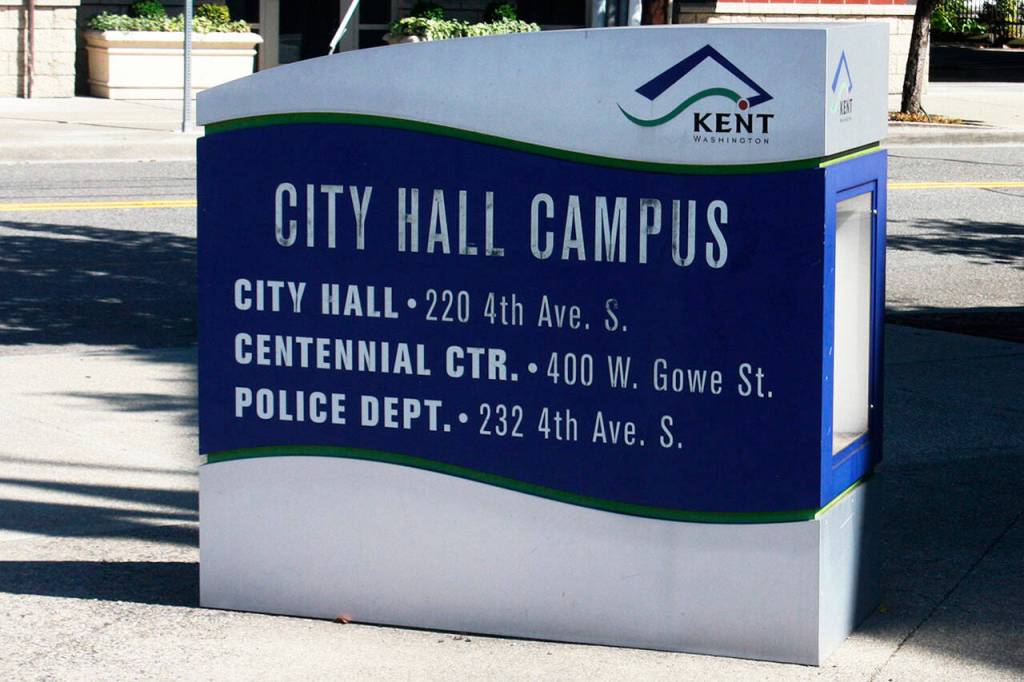
It was a “tough year” for the city of Kent and its request during the recent legislative session in Olympia to get state funds for projects.
The Legislature approved $2 million for the Signature Pointe Levee along the Green River to help strengthen flood protection, but three major budget requests came up empty, according to a legislative update during the April 21 Kent City Council meeting.
“When it comes to funding outcomes, this was a really tough year for cities, a really tough year for funding in general, just due to the (state) budget constraints,” said Kyle Moore, city government affairs and regional policy manager.
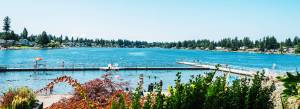
Moore appreciated the levee funds, which state Sen. Claudia Kauffman, D-Kent, helped secure for the city. The Signature Pointe Levee is near Washington Avenue South and Hawley Road, behind the Signature Pointe Apartments.
“This is a good,” Moore said. “We’re already starting to work on that and what our plan for that is, so that will help us long term in the future.”
But the city did not get money for three projects adopted by the council as top legislative priorities for 2026.
Utility bill payments
The city requested $2.63 million for transitioning its online utility bill payment program from paper to software to improve customer service and cybersecurity.
“This was something we needed to modernize our online utilities so people don’t have to come and write us checks anymore and could pay online, which is long overdue,” Moore said. “It’s $2.63 million to improve customer service and improve our cybersecurity. That was an important system. So right now I believe we are moving forward with that system without funding from the state.”
New city offices
The city asked for $700,000 for its new Administrative Services Building under renovation in north Kent to install LED lighting and energy-efficient windows, improve the HVAC system and integrate solar panels alongside a battery energy storage system.
City staff proposed that by acquiring an existing building rather than utilizing new construction, the city is taking a cost-effective and environmentally ethical approach that reduces waste, according to city documents. The city sought the state’s partnership to upgrade this building to achieve greater energy efficiency and comply with the state’s clean building standards.
Moore said the city is in the running for a state Department of Commerce grant to help pay for the project.
224th Corridor
Kent requested that the Legislature realign the funding allocated to the 224th Corridor, a key east-west connection through the Kent community, according to city documents. The project was allocated $20.6 million in the Move Ahead Washington package, and was allocated $10 million in 2023-2025, and $10.6 million in 2025-2027. The city advanced the project with that timeline in mind. However, in 2025, the Legislature delayed the project to 2027-2029, causing all work on the project to pause.
“We wanted them to move it back,” Moore said about getting funds in 2026-2027 rather than 2027-2029.
City staff won’t give up the corridor funding fight.
“That is going to cause I believe some delays in that project,” Moore said. “Hopefully, that funding will still be there next year. It was promised to us and so we want to complete that project. It is a very important east-west corridor through our city.”
Public defense
Although the city didn’t make a specific funding request, a fourth area that came up empty was asking the state to help fund public defense spending for its Kent Municipal Court.
The new public defense standards issued by the state Supreme Court will cause significant financial strain on city and county budgets and will create workforce challenges in recruiting and retaining public defenders, according to city documents, as each public defender will handle fewer cases, which will require hiring more of them and higher costs.
Kent joined other cities and counties throughout the state in requesting permanent funding to local jurisdictions for public defense, but no funds were provided.