Kent Police change access to Flock cameras after UW report
Published 4:05 pm Friday, October 24, 2025
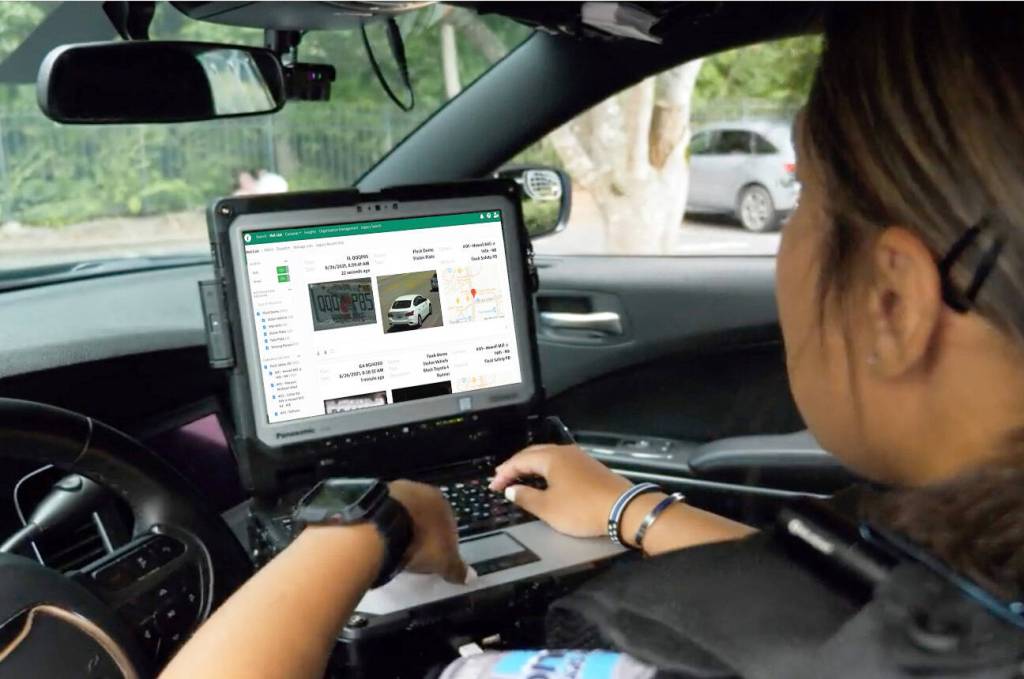
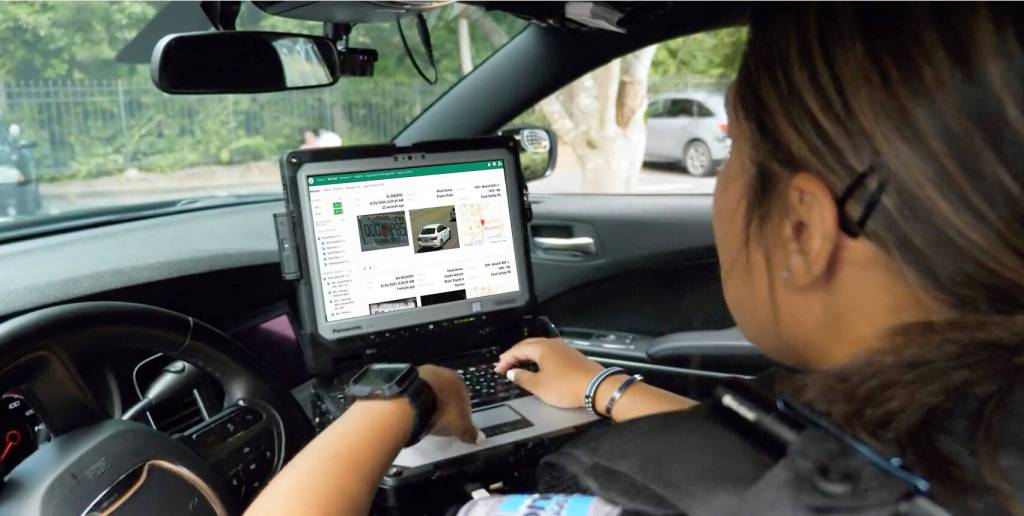
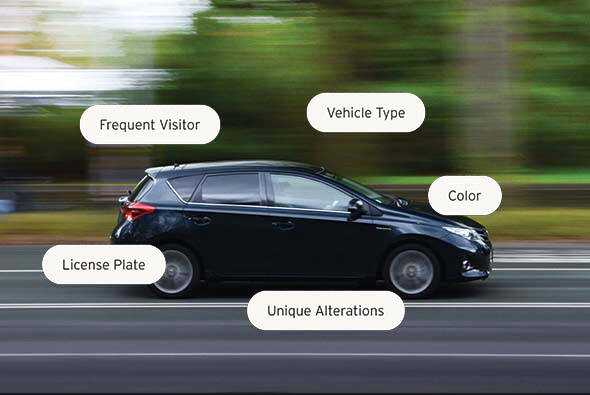


Kent Police have changed access to its Flock Safety camera system that captures license plate numbers of vehicles in town after an University of Washington research report that U.S. Border Patrol had searched databases of local law enforcement agencies, possibly to enforce immigration crackdowns.
The Auburn and Renton police departments made similar changes after the Oct. 21 release of a report by the UW Center for Human Rights entitled “Leaving the Door Wide Open: Flock Surveillance Systems Expose Washington Data to Immigration Enforcement.”
Auburn, Renton, Lakewood and Mukilteo police departments were referred to in the report as agencies that had Flock Safety camera information accessed by U.S. Border Patrol.
“Records obtained by UW researchers via public records requests reveal that at least eight Washington state law enforcement agencies enabled direct, 1:1 sharing of their networks with U.S. Border Patrol at some point during 2025; effectively opening the “front door” for searches potentially related to civil immigration enforcement activities,” according to the report.
Although not one of the listed agencies, Kent Police Chief Rafael Padilla decided changes to vehicle information access captured by the Flock Safety cameras needed to be done.
“Now that this vulnerability has been brought to our attention we are taking action to defend against it happening in Kent,” Padilla said in an Oct. 23 email to the Kent Reporter. “The first major prevention step was to disable the national sharing function. This means that only Washington police agencies, who are also required to abide by Washington state law that prohibits the sharing of data for civil immigration purposes, will have access to our data.”
Padilla also updated direction to officers and detectives that requires them to direct any requests from federal law enforcement agencies to their commander for review before data can be shared.
“Our commanders are very in tune with the law and will ensure we only provide data in support of criminal investigations and not for civil immigration purposes,” Padilla said. “We will be looking to develop stronger administrative and audit protocols, and we are also working with Flock to establish stronger safeguards that ensure our data can only be shared in a way that is consistent with Washington state law.”
The enforcement of immigration laws has increased tremendously under the Trump administration, which President Donald Trump promised before and after he took office in January.
“In recent months, amidst a national campaign of mass deportation, concerns have spread among Washington state residents about local and state authorities’ improper sharing of their personal data with federal government agencies involved in immigration enforcement,” according to the UW report. “Some of these concerns revolve around license plate data, which UW researchers have found are frequently cited in Immigration and Customs Enforcement (ICE) records as a tool used in the identification and location of targets.”
But since Washington state law prohibits the sharing of information for the purposes of civil immigration enforcement, police agencies are taking steps to not let federal agencies access vehicle data captured by the Flock Safety cameras placed at intersections throughout cities to track vehicles that enter and exit.
“Safeguarding our data is something we take seriously,” Padilla said about following the state law for immigration enforcement. “KPD strictly adheres to the law.”
Padilla said federal law enforcement agencies apparently did not access Kent Police data.
“While it is difficult to be absolutely certain, I am grateful that it does not appear that our data has been used for civil immigration enforcement,” Padilla said. “I can say with absolute certainty, I would not knowingly allow that to happen, and we have taken steps to prevent that from happening in the future.”
Kent public records
Kent was listed in the UW report as one of a handful of cities that didn’t release all public records about the Flock Safety cameras as requested by researchers.
“One particular record they were looking for that the city determined was not a public record—the “network audit” report, which lived on Flock’s servers, was automatically generated by Flock, and was not a record Kent either prepared or otherwise had the ability to view, generate, or run,” City Attorney Tammy White said in an Oct. 23 email to the Kent Reporter.
White said it was her understanding that Kent’s customization of features available through the Flock system was different than some of the other agencies noted in UW’s report who apparently possessed the ability to access and run these “network audit” reports.
“However, even if Kent or Flock had activated this feature, the result would have been the same because the “network audit” report was not a record ever prepared, owned, used, or retained by Kent—it was not considered “agency data” under the city’s contract with Flock and it was not considered a “public record” as that term is defined by the Public Record Act, Chapter 42.56 RCW,” White said.
Padilla backs use of cameras
While disagreeing with the use of vehicle information by federal agencies for civil immigration enforcement, Padilla said the Flock Safety cameras have been a significant crime reduction and crime prevention tool, not only for Kent Police but also for police agencies across the state.
“Since their implementation, the cameras have aided Kent officers and detectives in numerous criminal investigations, including homicides, shootings, robberies, and stolen vehicle recoveries,” Padilla said. “The cameras have also been a powerful tool in locating missing persons. KPD has routinely assisted other Washington agencies with their criminal investigations, providing them data from our Flock cameras.”
Based on the crime-fighting help from the cameras, the Kent City Council on Feb. 18 unanimously approved renewal of an agreement with Atlanta, Georgia-based Flock Group Inc., at an annual rate of about $77,000 for 20 cameras and the hardware and software programs. Revenue from the city’s red-light camera program pays for the Flock cameras. Kent Police started using the cameras in January 2023.
Padilla said the cameras help in working to share information with other federal law enforcement partners.
“While much of the focus is on immigration enforcement, I want our public to know that federal law enforcement entities like the FBI, DEA and HSI and others, continue to investigate and apprehend criminals who commit the highest level of crime,” he said. “We are talking about terrorism, organized crime, drug trafficking and human trafficking to name a few. Our communities have benefited greatly from the important work they do.”
Padilla said the cameras have become an important crime-fighting tool.
“I do not believe we would have realized the turnaround (reduction) in crime in Kent without the use of this game-changing technology,” he said.