
The King County Metropolitan Council narrowly approved a controversial alcohol producer and tasting room ordinance that will affect businesses and conservation efforts in unincorporated areas of King County.
The council voted 5-4 to approve the ordinance at its Dec. 4 meeting, which saw public comment from more than 50 people stretch into multiple hours ahead of the vote. Representatives of neighbors and farmers in the Sammamish Valley voiced their opposition to the ordinance, as did conservation groups and alcohol producers themselves. The ordinance passed with council members Claudia Balducci, Reagan Dunn, Kathy Lambert, Joe McDermott and Pete von Reichbauer voting to approve it.
“This has been very heavy lifting. It’s a complicated piece of legislation with lots of spreadsheets and we’ve looked at spreadsheet upon spreadsheet,” Lambert said. “We’ve worked very hard to listen to everybody.”
Lambert has been a supporter of the ordinance, as has Balducci, with both working to find a solution balancing the needs of competing business, farm and conservation interests. The former code had not been updated since 2003, and Balducci said the code hadn’t anticipated alcohol producers and tasting rooms setting up in rural-zoned areas of the county.
“My interest is that we have clear rules, that they’re fair, that they are enforceable,” Balducci said.
Other council members voiced concerns, including Larry Gossett, who noted the large number of people who regularly attended meetings and voiced concerns since spring 2018, when the council took up the issue. He ultimately voted no on the ordinance.
“A wide variety of farmers, trade organizations that represent either breweries, wineries, distilleries — this is kind of unique to me — or represented farmers and homeowners all saying that we are so concerned about passage of this ordinance that we took time out of our schedules and came down here to let you know why we are opposed,” he said.
Council member Rod Dembowski also voted against the ordinance. After thanking Lambert and Balducci for taking up the issue, Dembowski said concerns voiced by conservation groups like Futurewise ultimately led him to believe some of the ordinance could have negative effects on conservation efforts throughout the county.
“It’s a red flag. It’s not a yellow flag, it’s a red flag for me,” he said.
Council members at the meeting said they expected lawsuits or even challenges filed with the Growth Management Hearings Board. Dembowski had proposed an amendment that would have delayed the implementation of the ordinance until a month after challenges were settled. The amendment was struck down in a 5-4 vote. Balducci, Jeanne Kohl-Welles, McDermott, von Reichbauer and Lambert voted no.
The ordinance will prohibit small wineries, breweries and distilleries from operating as home businesses and instead move them into a series of scaling production tiers. Alcohol producers that are on agriculture zones would be required to grow 60% of their materials on-site. In rural areas, businesses will have to produce onsite what they sell.
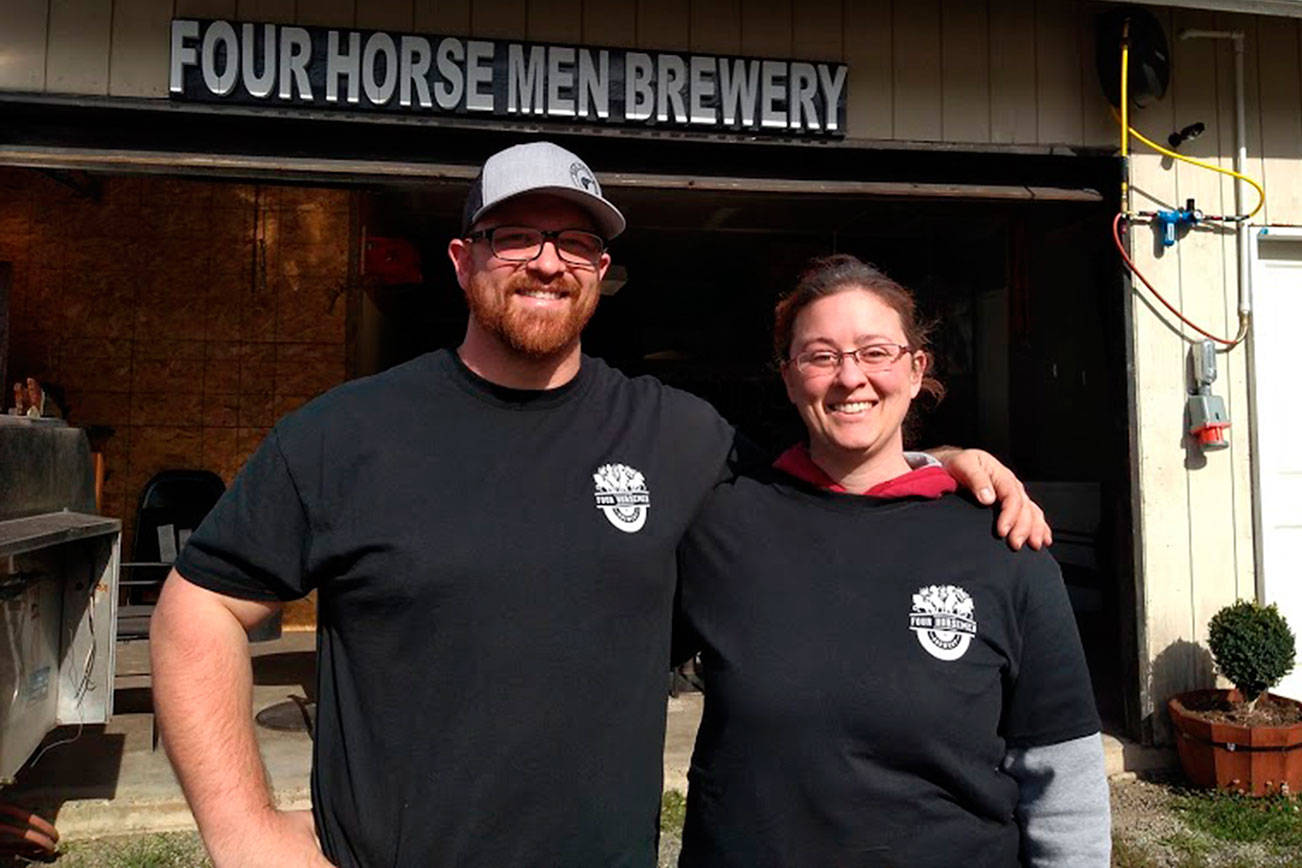
Dominique Torgerson runs Four Horsemen Brewery in Kent with Dane Scarimbolo. She said Dec. 4 that the ordinance will affect businesses.
“It’s likely that this is going to kill some businesses, for sure,” she said.
Four Horsemen Brewery began selling beer in 2015 after the owners thought they had received the necessary permits. But in 2017, they started getting notices from King County saying they were out of compliance with the county code. Torgerson said it was unclear whether their business will be grandfathered into compliance with the new ordinance.
A pilot program area was also created and will affect around a dozen parcels in the Sammamish Valley near the Woodinville Wine District. The pilot program will allow businesses that were in violation of code surrounding tasting rooms and alcohol production to stay put as the county studies the effects of their businesses. A second overlay zone was cut from the ordinance earlier this year.
Neighbors in recent years have said that some businesses operating in rural buffer zones and other areas around the Sammamish Valley have been functioning as bars, with little actual production happening on-site. While the valley has served as a flashpoint, the ordinance takes effect countywide, with small brewers as far away as Kent worrying about its impacts.
Talk to us
Please share your story tips by emailing editor@kentreporter.com.
To share your opinion for publication, submit a letter through our website https://www.kentreporter.com/submit-letter/. Include your name, address and daytime phone number. (We’ll only publish your name and hometown.) Please keep letters to 300 words or less.
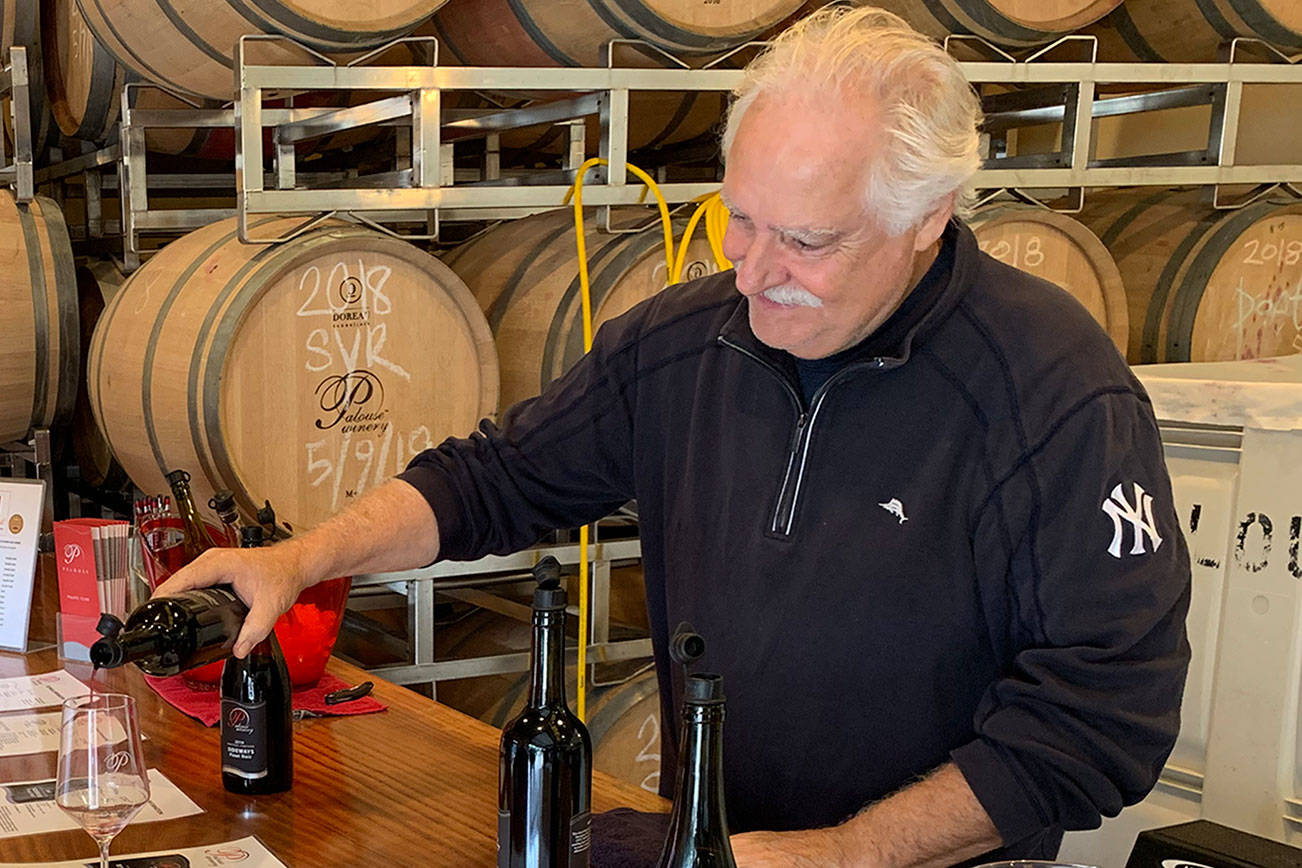
In this September 2019 photo, George Kirkish, owner and founder of Palouse Winery on Vashon-Maury Island, pours a glass of wine for Lori Coots during tasting room hours. (Kevin Opsahl/Sound Publishing)
