Sales tax, state grant to keep Kent Police fully staffed
Published 4:17 pm Thursday, March 19, 2026
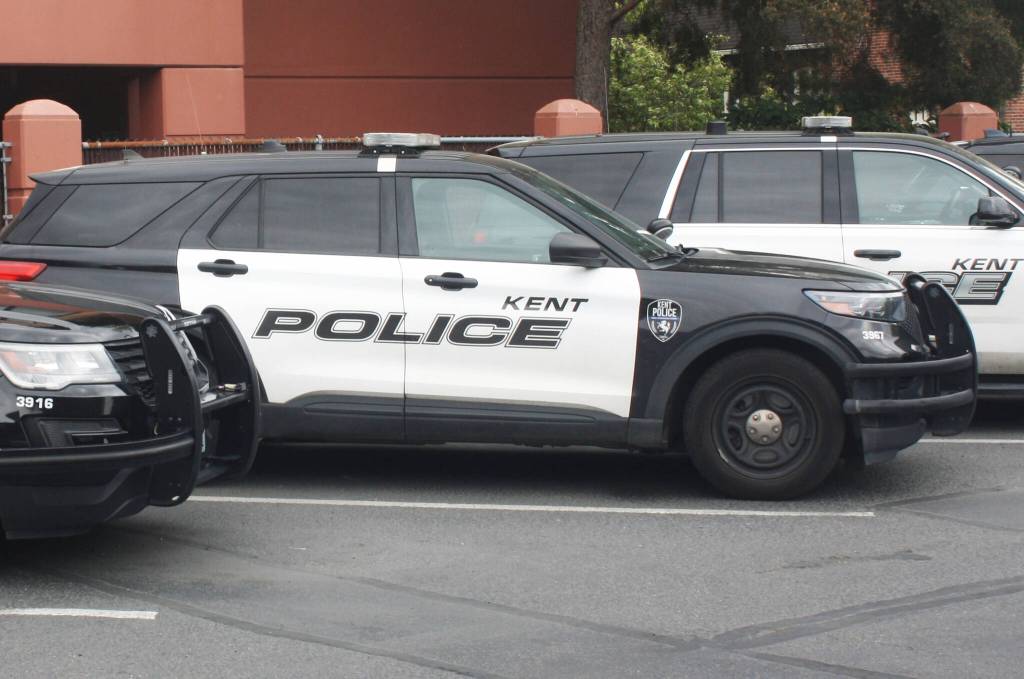
A new city sales tax expects to bring in about $3.65 million per year to pay for 10 more Kent Police officers and boost the force to 180 officers by the end of 2026.
In addition to the sales tax funds, Kent will get $1.92 million from a state grant for a new hire-ahead program for 20 officers to keep the department fully staffed at 180 by immediately covering officer openings from attrition, mainly a large number of officers expected to retire in the next few years.
The city started to collect the new sales tax money Jan. 1, 2026. The Kent City Council voted 7-0 in September 2025 to raise the sales tax 0.1% (1 cent on $10 purchase, 10 cents on $100 purchase) to pay for 10 more police officers and four support positions.
Kent was able to enact the sale tax (without going to voters) and apply for a police state grant after the Legislature in 2024 approved a bill establishing a statewide public safety grant program to assist local jurisdictions in addressing law enforcement staffing shortages, enhancing officer training, and improving public safety, according to city documents. The legislation authorizes state funding to support the hiring of additional police officers and related public safety initiatives.
After the council approved the sales tax hike, the Kent Police Department submitted a grant application through the Washington State Criminal Justice Training Commission under the bill program. After much work by city staff to file the grant application, the city recently received notification that its application had been approved.
“I am grateful for this funding,” Kent Police Chief Rafael Padilla said. “This money will go directly toward the hiring and retention of new officers, additional training, and technology that will elevate medical care for those incarcerated in our jail — all of which will increase our ability to provide public safety services to the Kent community.”
Padilla said the state grant money will not be for hiring additional officers, but rather pay to hire officers earlier so they are ready to replace officers who leave the force, which is expected to be as many as 60 over the next few years based on a survey of the department.
“This will allow us to adjust for attrition anticipated to 2027 and 2028 through retirements,” Padilla said. “As retirements happen, the 20 (state) funded positions will backfill those vacancies. If we do this right, it will cost the city a relatively small amount of money while we maintain a fully staffed police department.”
Padilla told the council Committee of the Whole on March 17 that with further attrition the department might need 80 t0 90 replacement officers over the next few years. He said the first wave of retirements will be in 2027.
Starting in 2027, the department will bring in five officers per quarter (total of 20) to cover the retirements. Those officers will become part of the regular staff when they replace the retired officers.
It takes approximately 12 months to recruit, train, and deploy a new officer, so hiring ahead of these identified vacancies helps maintain safe staffing levels and prevent service gaps, according to city documents.
While the grant funds will cover most of the costs, Padilla said the city will provide about $579,000 in matching funds in 2027, which will be covered from money raised through the city’s red-light camera program.
The chief said he expected the department to be fully staffed at 180 officers by Dec. 31, 2026. The first officers hired with the sales tax funds are anticipated to begin in the third quarter of this year.
“We currently have 166 officers hired,” Padilla said in a March 16 email. “The breakdown of the vacancies is as follows: four positions from normal attrition in 2025 and 10 positions added from the (sales tax) funding. Right now, we have 14 openings, with several candidates in the hiring pipeline.”
Padilla told the council last year that when staffed to 180 officers he plans to increase bicycle patrols by two officers and a sergeant; add three detectives and a sergeant for a street narcotics team and human trafficking intervention; and form a new two-officer unit to focus on community-based patrols as people tell him they want to see officers in their neighborhoods or near their businesses.
In addition to funds for hire-ahead officers, the state grant will fully fund de-escalation training for officers and supervisory use-of-force review training totaling $50,000; and installation of contactless medical monitoring sensors totaling $309,840 within the city’s Kent Corrections Facility to improve early detection of medical emergencies and enhance inmate safety.
Medical sensors, which can track heart and respiratory rates and movement, will be placed in each cell. The city currently has 10 sensors which send an alert to control panels monitored by corrections officers if an inmate has a medical issue.