City of Kent-owned ShoWare Center loses $1 million in 2024
Published 10:50 am Thursday, July 10, 2025
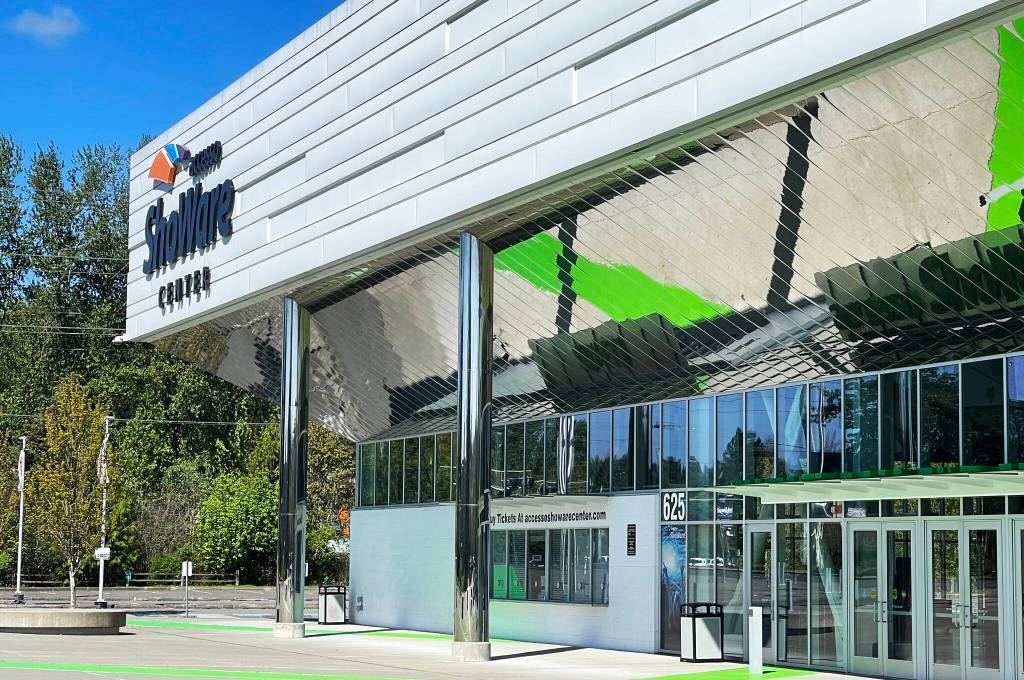
The city-owned accesso ShoWare Center in Kent lost $1.06 million in 2024, its largest operating loss since the arena opened in 2009.
The facility had expenses of $4.25 million and income of $3.19 million in 2024, according to the 2024 income statement released by ASM Global, which manages the arena.
It’s the first time losses exceeded $1 million. The previous highest losses were $752,324 in 2014, $744,191 in 2022 and $742,674 in 2023. That adds up to losses of about $2.5 million over the last three years.
“Attendance was lower than budgeted across the board,” said Arletta Voter, ShoWare Center director of finance, at a June 26 meeting of the Kent Public Facilities District Board, which helps oversee the arena. “We budgeted for 382,000 and the actual was 331,000. The attendance budgeted was base on 2022 numbers.”
ShoWare Center staff had budgeted a loss of $937,316 in 2024. Food and beverage concessions had the largest income difference, with a budget of $1.45 million and actual revenue of $1.29 million, a difference of $158,805. Food and beverage sales rank as one of the primary revenue producers for the arena.
The Kent City Council each year approves payments out of the city’s general fund to cover the financial losses at the ShoWare Center.
Randall Smith, one of the five Public Facilities District Board members, asked Shane Sorenson, city financial analyst, how much money the city has put into the ShoWare Center budget since it opened.
The city has spent $26 million on lifecycle and services since 2008, Sorenson said. The lifecycle money is for repairs and replacements at the facility, which typically has been about $300,000 per year and is funded through a city admissions tax on each ticket sold.
Recent upgrades at the venue included a new sound system for $650,000, a marquee replacement for $213,00 and a lighting control system for $115,000.
The bigger expense for the city has been covering the operating losses.
So far, 2025 appears to be headed toward similar financial losses as in 2024. Through May, the arena has lost $737,376, about $150,000 more than the budgeted loss.
Voter blamed lower attendance due to two concerts and one family show that were in the budget but didn’t occur, for the main difference. With fewer people in the building, food and beverage sales sink. Staff had budgeted food and beverage concession revenue of $780,527 through May. The actual figure was $531,250, a difference of $249,277.
“But a strong third quarter is coming,” Voter said. “We have two concerts on sale that were not in the budget.”
Economic impact
The arena had 46 events in 56 days from May 1 to June 25, including 25 high school or college graduations. There also was a concert, two nights of pro wrestling and several community events. Approximately 150,000 people came through the facility during that 56-day stretch.
“That’s 150,000 in the core of downtown Kent,” ShoWare Center general manager Tim Higgins said at the meeting.
That comment led Smith to ask if there was a way staff could track the impact to businesses in the area from ShoWare events and to provide those details to the board.
Higgins replied that the city conducted an economic impact study in 2012 that showed an annual impact of $25 million.
“We should have a target date of when to do that again, to see how businesses are doing in the core and downtown Kent,” Smith said.
Colin Campbell, president of the Seattle Thunderbirds junior hockey team, the anchor tenant of the ShoWare Center, said he meets with businesses in the area for marketing the team. He said when he met with Duke’s restaurant staff at Kent Station he was told they attribute about 60% to 70% of their revenue from events at the arena.
Campbell said the impact spreads to other businesses outside of Kent Station as well, such as Caveman Kitchen, which sits along the West Valley Highway just west of the arena.
Campbell added that similar questions to what board members were asking helped lead to an economic study by the city 13 years ago.
When told the city had conducted the previous study, board member Kristi Duggan said maybe it’s time for another one.
“I think the city would want to do it on a 10-year basis to see where it’s going and where it’s been,” Duggan said.
Higgins responded that an economic study costs money, maybe $50,000 or so.
The Kent City Council authorized $36,400 for the 2012 study on a controversial 5-2 vote. Current Councilmember Bill Boyce was on that council along with Dana Ralph, now the mayor. They each voted against the impact study. Boyce suggested in 2012 a study about how the arena could break even or make a profit, but that study has never been done.
Everett arena making money
While the ShoWare Center has lost millions over the past three years, the Angel of the Winds Arena in Everett has made money.
Both are city-owned arenas run by public facility districts. Everett has a capacity of about 8,100 for hockey while Kent’s capacity is about 6,200. Each has a junior hockey team as an anchor tenant, with the Everett Silvertips featured up north. The Everett arena opened in 2003, six years earlier than Kent.
In 2024, Angel of the Winds turned a profit of about $950,000, according to meeting minutes of the Snohomish Public Facilities District. The arena made $7,226 in 2023 and $50,248 in 2022, according to online Angel of the Winds financial documents.
Oak View Group, based in Denver, contracts with the city of Everett to run the arena, one of its more than 400 venues across the globe, including Climate Pledge Arena in Seattle. ASM Global, based in Philadelphia, contracts with the city of Kent to manage the ShoWare Center and has more than 300 venues.
New ShoWare position
ASM Global added a new position of ShoWare Center assistant general manager in October 2024, with an annual salary of $125,000 to $145,000, according to its indeed.com advertisement.
The management group hired Cynthia Boyd for the job. Boyd previously worked 15 years as the marketing manager at the Kent Station shopping center for Sumner-based Tarragon Property Services.
ASM Global said in its ad the assistant general manager would work under the general manager’s (Tim Higgins) supervision and have responsibility for the overall management, promotion and operation of the venue with a focus on revenue generation.
“Tim is trying to focus more on booking and getting more shows in the building so they created this position,” Boyd said in an interview this spring. “Part of the good fit is Tim knows how connected I am in the community. One of the goals was really to make sure we are more part of the community.”
Boyd said a Kent School District art display was a new addition. The venue hosted a blood drive and other community events such as Cookie Hooky, a fundraiser to help support local nonprofits by providing the opportunity for kids and families to enjoy events in the greater Kent area, according to the ShoWare Center website.
“It’s been really cool coming up with ways to open the doors to the community,” Boyd said.